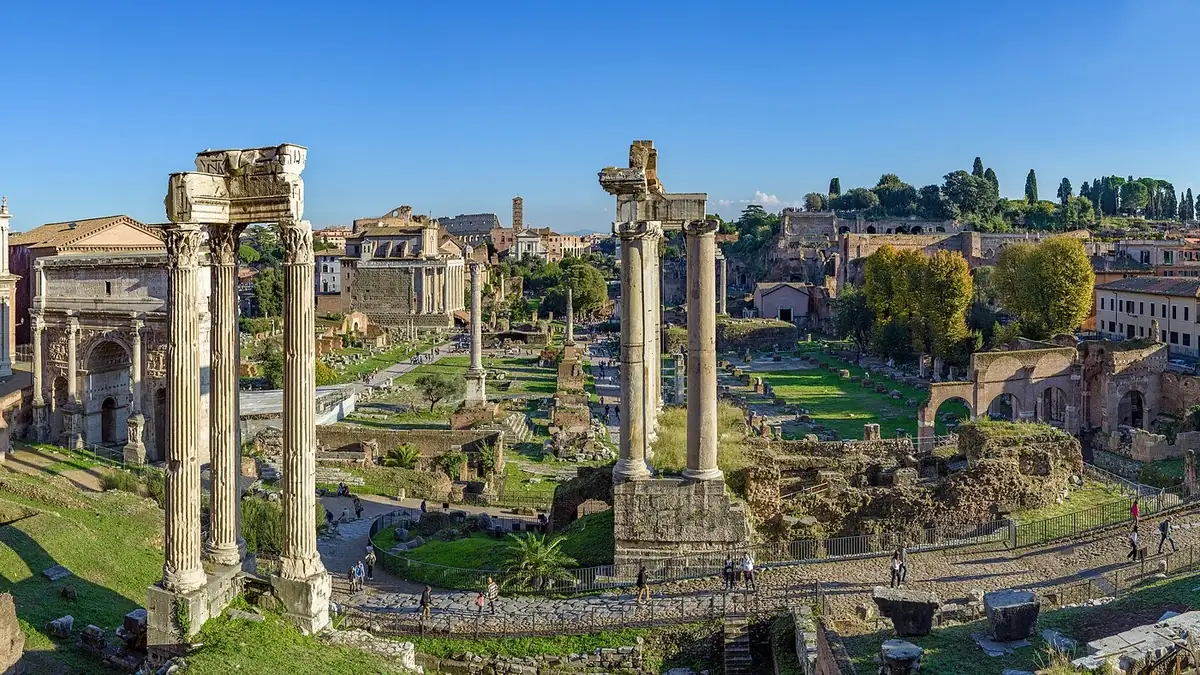
The Colosseum capacity was somewhere between 50,000 and 80,000 spectators, with an average crowd of about 65,000, by the estimate most often quoted. Nobody counted seats in AD 80, so every number here is a reconstruction, and some are generous.
Key figures: 50,000-80,000 estimated spectators · 87,000 in the Codex-Calendar of 354 · 80 entrances, 76 for ordinary spectators · arena 87 m by 55 m
“It is the largest amphitheatre in the world” Parco archeologico del Colosseo, The Colosseum
How many people did the Colosseum hold?
Estimates run from 50,000 to 80,000 spectators, averaging some 65,000 per event. The Codex-Calendar of 354 claims 87,000, while modern estimates sit around 50,000.
I’d trust the lower end. The 87,000 comes from a text written centuries after the building opened, which smells like rounding up. Use 50,000 as your working number, 65,000 if you like a crowd.
| Source of the figure | Number | Note |
|---|---|---|
| Codex-Calendar of 354 | 87,000 | Ancient text, the highest claim |
| Range of estimates across its history | 50,000 to 80,000 | Varies by phase of the building |
| Average audience | about 65,000 | Estimate |
| Modern estimate | about 50,000 | Scholarly reconstruction |
| Temporary seating today | a few hundred | Interior is ruined |
Figures from Wikipedia’s Colosseum entry, the only opened source that lists them.
Why do Colosseum capacity estimates differ so much?
Because seat counts depend on how tightly you pack people and whether the top gallery counts. The upper level added under Domitian was standing room only, or very steep wooden benches, so nobody can say how many squeezed in.
Honestly, that’s the whole mystery. Seats were numbered by row, wedge and number, but the top gallery had no such numbers to count.
Who sat where in the Colosseum?
Seating followed the rigid layers of Roman society: boxes for the emperor and the Vestal Virgins at the two ends, a podium for senators who brought their own chairs, then the tiers climbing up. The poor, slaves and women got the top gallery.
Some groups were banned outright, gravediggers, actors and former gladiators among them. For the full seating plan, see where the emperor sat.
How did 50,000 people get in and out?
Through eighty entrances at ground level, 76 of them for ordinary spectators, each numbered like the staircases. Tickets were numbered pottery shards pointing you to a section and row, and the vomitoria passages could empty the building in only a few minutes.
Say you hold shard number whatever and you’re a commoner. You find your numbered arch, climb your numbered stair, pop out of a passage right into your wedge. No queue at the top, no maze. Stadium designers today copy this. The north entrance, though, was the emperor’s.
How many people can the Colosseum hold today?
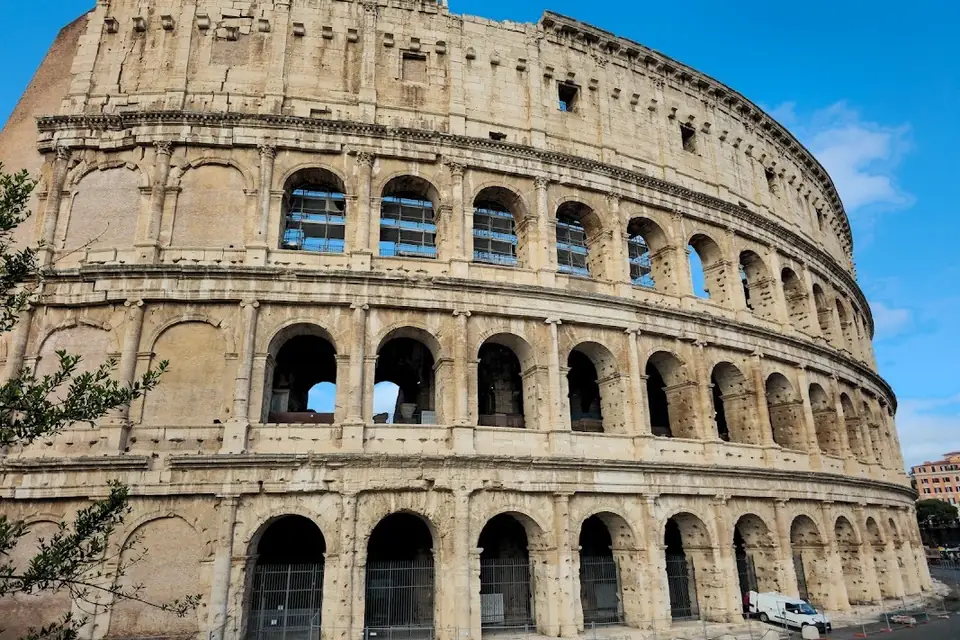
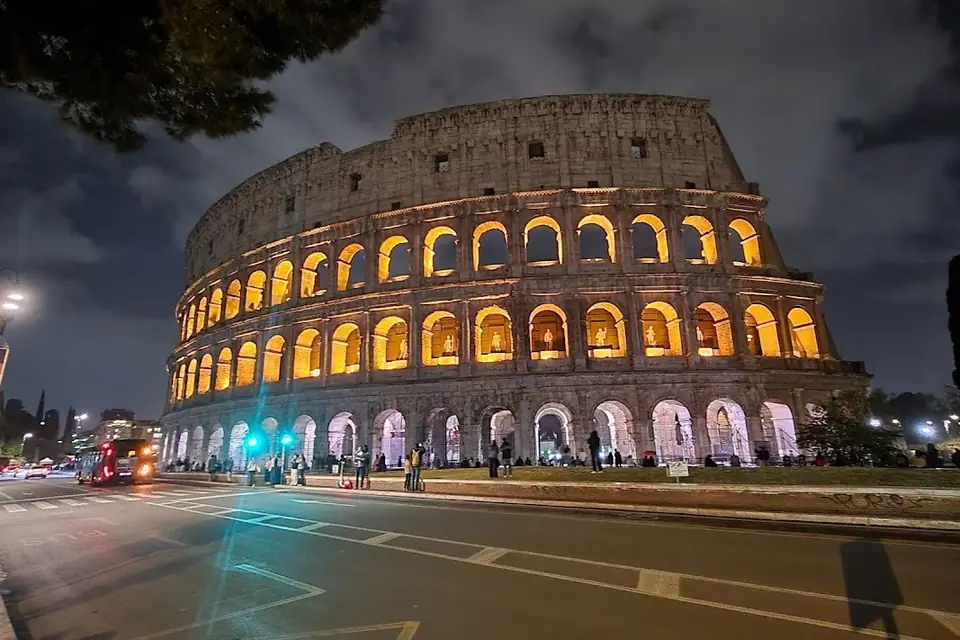
Only a few hundred spectators in temporary seating, because the interior is ruined. Bigger concerts happen just outside, with the arches as a backdrop.
Visitors are the limit now, and they’re counted differently: the new attic route admits groups of up to 25 every 30 minutes. A far cry from 65,000, and I like it better.
Which Colosseum tiers can you still visit?
The standard ticket covers the first and second order. The third order is reached with a dedicated hoist, and the attic only by steep steps, within a 90-minute stay.
If the highest tiers are your reason for going, read the Colosseum attic guide first. The place feels most like its old size from up there. For a first visit with context, an authorised reseller lists a Colosseum, Roman Forum and Palatine Hill guided tour from $53 for about 2.5 hours.
Map, starting points: Colosseo metro (Line B) · Colosseo-Fori Imperiali (Line C) · Piazza del Colosseo
Frequently asked questions
How big is the Colosseum arena?
The central arena is an ellipse 87 m long and 55 m wide. A wall 5 m high surrounded it, with the seating rising above.
Is the Colosseum the largest amphitheatre?
Yes, the Park calls it the largest amphitheatre in the world. Wikipedia adds that it is the largest ancient amphitheatre ever built.
Was there a roof over the crowd?
A retractable awning, the velarium, kept sun and rain off spectators. It covered two-thirds of the arena and was worked by sailors.
Did women attend the games?
Yes, but they were sent to the top gallery with the poor and slaves. It was standing room or very steep wooden benches.
More architecture: Colosseum Architecture · how big the Colosseum is · where the emperor sat · Colosseum night tour