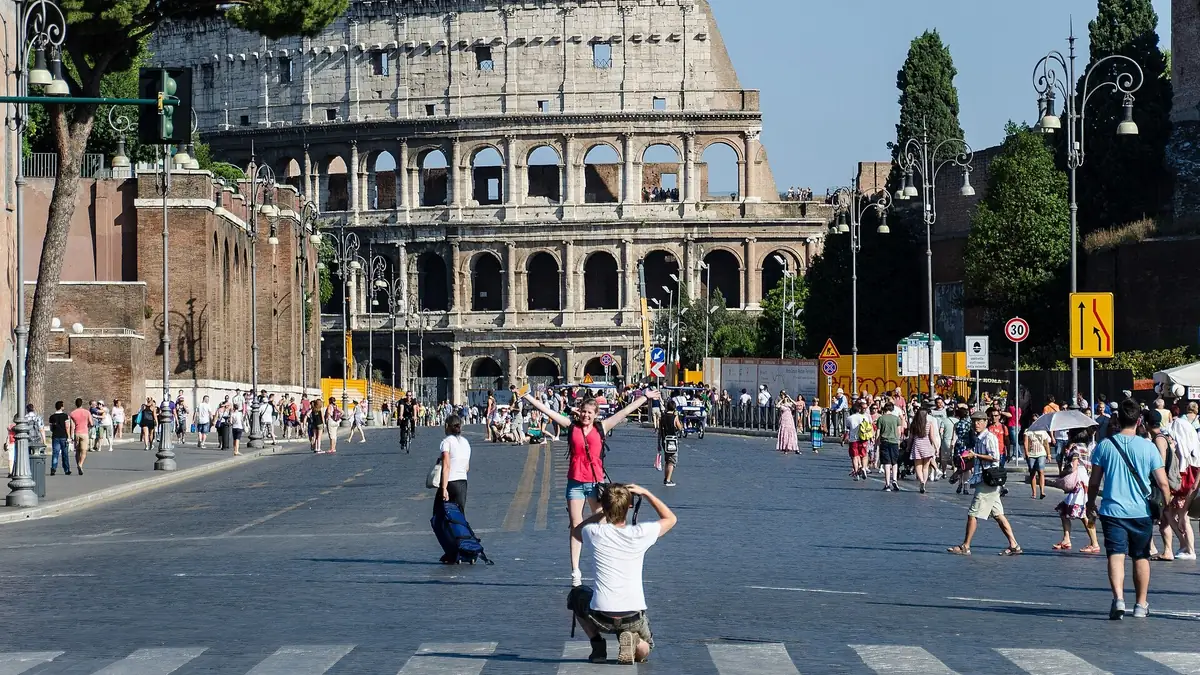
The colosseum original name is a messier answer than most pages admit. Romans seem to have said plain amphitheatrum, “Flavian Amphitheatre” is a label scholars added later, and “Colosseum” comes from a giant bronze statue of Nero that stood next door.
Name timeline, key figures: AD 80 completed · 30 m statue of Nero · moved beside it around 128 · “Colosseum” in use by the year 1000
“The Flavian Amphitheatre, more commonly known as the Colosseum” — Parco archeologico del Colosseo
What was the original name of the Colosseum?
Latin speakers called it simply amphitheatrum, “amphitheatre”. Amphitheatrum Flavium, the Flavian Amphitheatre, is a later label, and there is no evidence it was used in antiquity.
I find this the most surprising bit, because every quick answer online says otherwise. The Flavian part is fair enough, it honors the dynasty of Vespasian, Titus and Domitian, but it’s a modern tag. Romans may also have used Amphitheatrum Caesareum, though that could be poetry, since Vespasian and Titus built another Flavian amphitheatre at Pozzuoli too.
Why is it called the Colosseum?
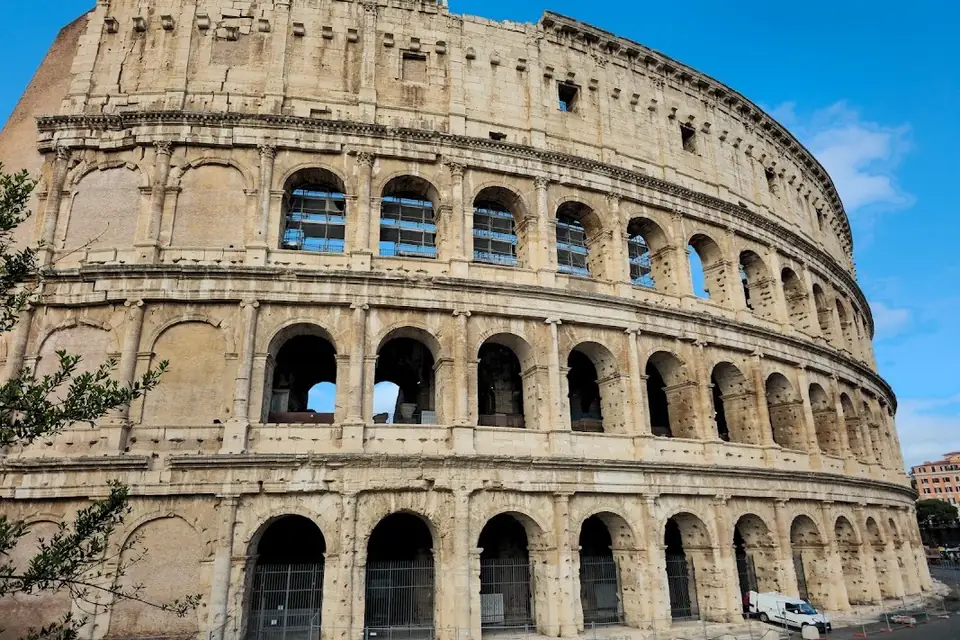
Because of a colossal statue that stood nearby. The Park says the building became known as the Colosseum because of a colossal statue, and the word itself grows from Latin colosseus, “gigantic”.
So it isn’t named for its own size. That’s the folk version and honestly it’s a tidy one, but the statue got there first, and the amphitheatre borrowed the word.
What was the Colossus of Nero?
A bronze statue about 30 meters (98 ft) tall, designed for the entrance hall of Nero’s Domus Aurea between AD 64 and 68. After Nero died it was recast as the sun god Sol.
Around 128 Hadrian had it moved northwest of the Colosseum with 24 elephants, to clear space for a temple. The last ancient mention is in the Chronography of 354. Then it vanished, probably in an earthquake or the sack of 410.
When did the name Colosseum take over?
Slowly. By the year 1000 the Latin name “Colosseum” had been coined for the amphitheatre, and in the 12th century a record calls it amphitheatrum colisei, “Amphitheatre of the Colossus”.
Earlier, in the 8th century, an epigram attributed to Bede used coliseus for the statue, not the building. People often misread it as being about the Colosseum, Byron included. A short run of names, as the sources give them:
| Name | Language | Status |
|---|---|---|
| Amphitheatrum | Latin | Original plain name, “amphitheatre” |
| Amphitheatrum Caesareum | Latin | Possible unofficial or poetic name |
| Amphitheatrum Flavium | Latin | Modern label, no evidence from antiquity |
| Amphitheatrum colisei | Medieval Latin | 12th-century record |
| Colosseum | Latin | In use for the building by the year 1000 |
| Colosseo | Italian | Today’s Italian name |
Figures from Wikipedia’s Colosseum article.
What does Colosseo mean in Italian?
Colosseo is just the Italian form of the same word, again from colosseus. Italian keeps Anfiteatro Flavio for the formal name, and the same root travels: coloseum and coliseum are attested from the 12th and 14th centuries.
Spelling is its own rabbit hole. I’d send you to Colosseum vs Coliseum for that one, and to the basics on what the Colosseum is.
What name is on the official site and tickets today?
Both. The Park opens its page with “Flavian Amphitheatre, more commonly known as the Colosseum”, while the ticket product is named Colosseum, Roman Forum and Palatine.
Say you’re at the gate and your nine-year-old asks why it’s called that. One line works: nobody used the name for centuries, it belonged to a 30 m bronze Nero standing beside it, and it slid onto the building by about the year 1000. For the rest of the day, the Colosseum self guided tour page covers how to walk it on your own, and the Colosseum night tour guide has the after-dark option.
Frequently asked questions
Did the Romans call it the Colosseum?
No, not as far as we can tell. They said amphitheatrum, and the word Colosseum for the building turns up only later.
Is Flavian Amphitheatre the real name?
It’s the formal modern name, and the Park still uses it. It just isn’t attested from ancient times.
Does anything remain of the Colossus of Nero?
Only the pedestal’s foundations, excavated in 1986 and open to view. The bronze itself is long gone.
Who moved the Colossus next to the amphitheatre?
Hadrian, around 128, using 24 elephants according to the account in the sources. That move is what tied the statue’s name to the building.
More on the history: Colosseum History & Facts · what is the Colosseum · Colosseum vs Coliseum · Colosseum self-guided tour