When was the Colosseum last used? For gladiator fights, around 435; for animal hunts, at least 523. Then it became a chapel, a cemetery, a castle, a quarry. Never really empty.
Key dates: 404 Honorius’ second ban · c. 435 last fights mentioned · 438 games abolished · 523 last hunts · 1349 earthquake · 1749 consecrated
“the amphitheatre underwent a slow and steady decline” Parco archeologico del Colosseo
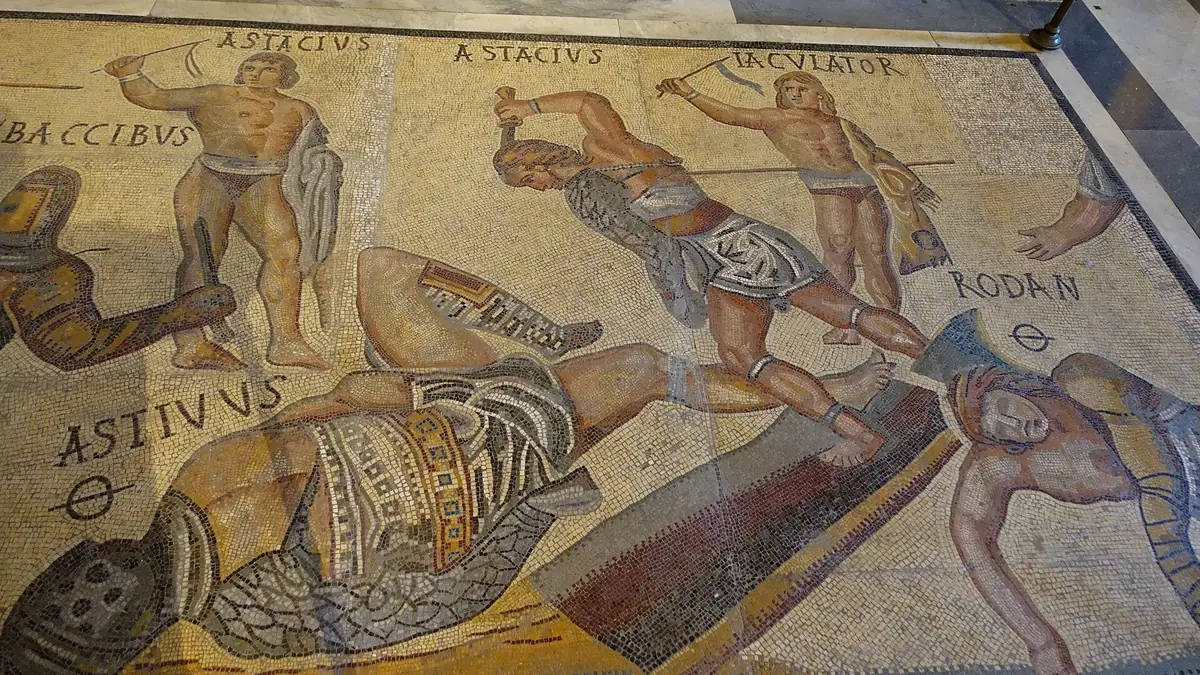
When was the last gladiator fight in the Colosseum?
Gladiator fights are last mentioned around 435. The Park gives 438, the year Valentinian III abolished the games.
Honorius banned gladiator fights in 399 and again in 404, and the second ban clearly didn’t empty the arena overnight. Nobody wrote down “the last fight”, so any exact day you read online is guesswork. I’d trust the range, 404 to 438.
When were the last beast hunts in the Colosseum?
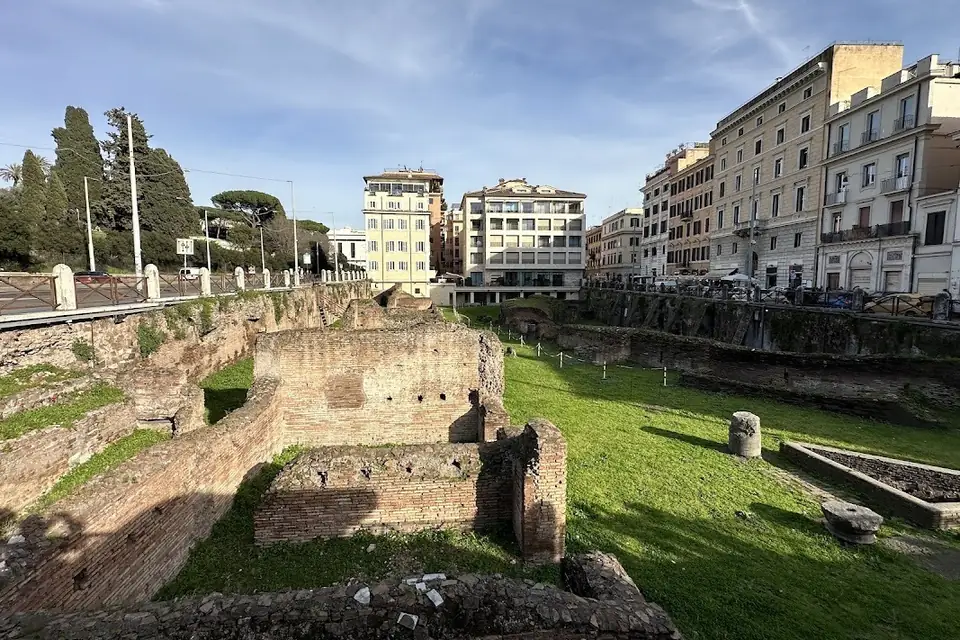
The last recorded animal hunts were in 523. Anicius Maximus celebrated his consulship with venationes, and King Theodoric criticised the cost.
The arena kept hosting contests well into the 6th century, which is why you’ll see “6th century” in AI summaries. It’s the hunts they mean, not the gladiators. Two different endings, almost ninety years apart.
Why did the Romans stop using the Colosseum?
The games were banned, then abolished, and the building slid into a slow and steady decline. Repairs kept coming for a while, after a possible earthquake in 443 and again in 484 and 508.
I think it was a loss of purpose more than a single blow. An inscription records restoration under Theodosius II and Valentinian III, so someone still cared, until the shows stopped being worth paying for.
What happened to the Colosseum in the Middle Ages?
It turned into a patchwork. By the late 6th century a small chapel stood inside it and the arena was a cemetery, while the arcades became homes and workshops.
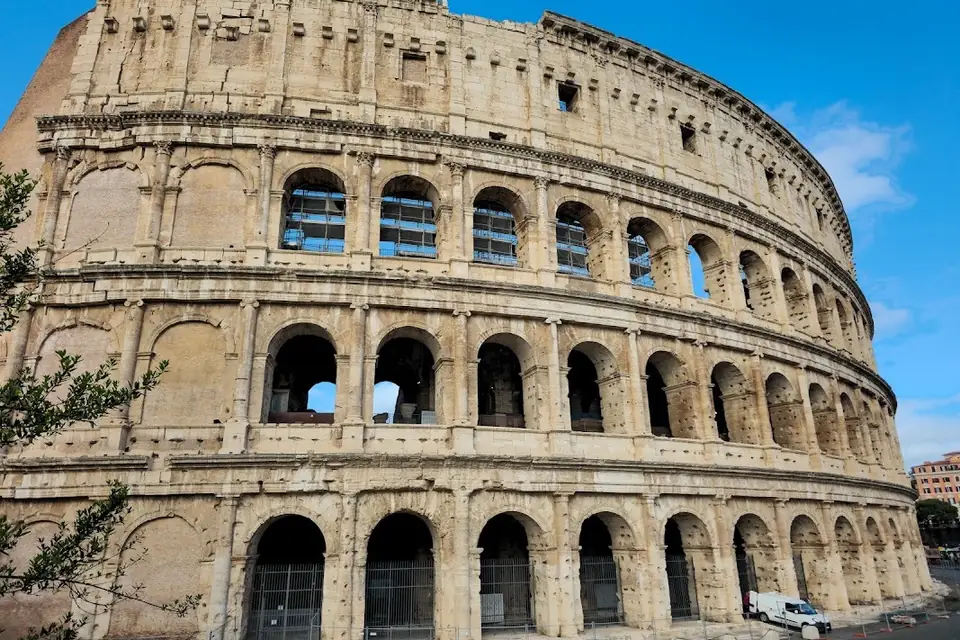
Around 1200 the Frangipani family fortified it as a castle. Then the 1349 earthquake dropped the outer south side, and the fallen stone went into palaces, churches and hospitals. The Park adds that parts fed the building of St. Peter’s Basilica.
Say you’re standing outside, looking at the tall wall on one side and the stripped, ragged one on the other. That ragged side is the south. The quake took it, then Romans took the rest, which is the whole story in one glance.
| Date | What happened | Effect |
|---|---|---|
| 399 and 404 | Honorius bans gladiator fights | Fights discouraged |
| c. 435 | Gladiator fights last mentioned | Last mention |
| 438 | Valentinian III abolishes the games | Slow decline begins |
| 523 | Anicius Maximus stages hunts | Last recorded hunts |
| Late 6th century | Chapel built in, arena used as cemetery | New uses |
| c. 1200 | Frangipani fortify it | Castle |
| 1349 | Earthquake | South side falls |
| 1749 | Benedict XIV bans quarrying | Protected |
Dates from the Park’s Colosseum page and Wikipedia’s Colosseum article.
When did the Colosseum stop being a quarry?
In 1749. Pope Benedict XIV forbade its use as a quarry and consecrated it to the Passion of Christ, a move that probably saved what is left.
After the Romantic era, when ruins charmed writers and artists, excavation and restoration became systematic. Why it looks broken has its own page: earthquakes and looting. The long clean-up is in the restoration guide.
Is the Colosseum still used today?
Not as an arena, yes as a monument. The Park says it still hosts temporary exhibitions and modern spectacles.
In 2026 that included guided evening visits, Tuesdays and Thursdays from 7 July to 29 September. By day, it opens at 8.30 am. If you want the building explained on site, an authorised reseller lists a guided Colosseum, Forum and Palatine tour from $53, 2.5 hours; the Colosseum guided tour guide compares the options. What it was for, start to finish: what the Colosseum was used for.
Map, starting points: Colosseo metro (Line B) · Colosseo-Fori Imperiali (Line C) · Piazza del Colosseo
Frequently asked questions
Who banned gladiator fights in the Colosseum?
Honorius banned them in 399 and again in 404, according to Wikipedia’s Colosseum article. The Park credits Valentinian III with abolishing the games in 438.
Was the Colosseum ever a castle?
Yes, for a while. Around 1200 the Frangipani family fortified it and seem to have used it as one.
Did anyone save the Colosseum from being torn apart?
Benedict XIV did, in 1749, when he forbade quarrying. Before that, stone had been taken for centuries.
How old is the Colosseum compared with its last games?
The last hunts of 523 came about 450 years after construction began around 70 to 72 AD, by our calculation. It has then stood as a ruin and monument for far longer than it staged games.
More history: Colosseum History & Facts · what the Colosseum was used for · why the Colosseum is broken · Colosseum restoration